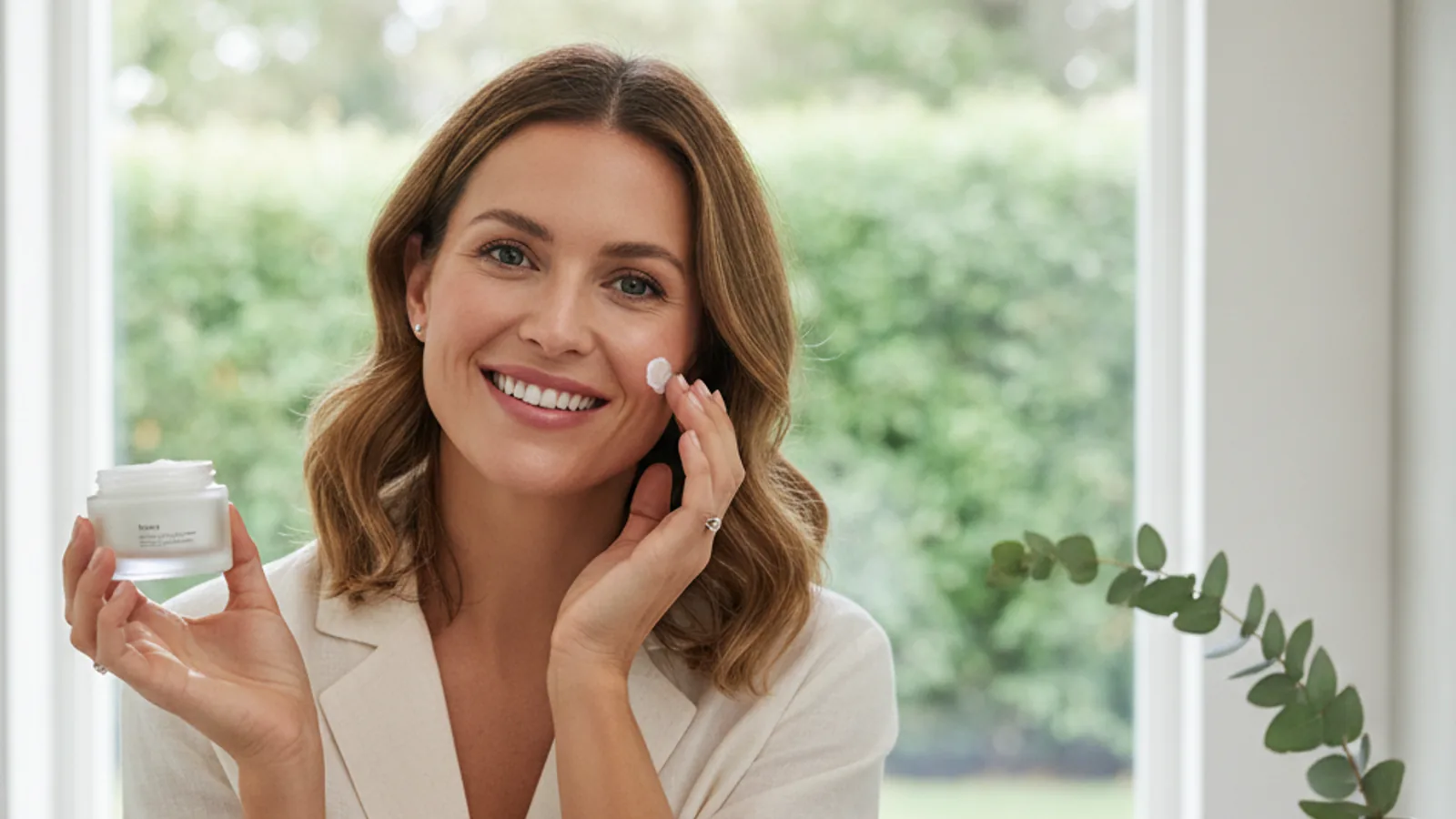
How Much Sunscreen To Use On Face
A practical step-by-step guide to how much sunscreen to use on face, including preparation, instructions, common issues, tips, and next steps.

How Much Sunscreen To Use On Face
Quick Summary: how much sunscreen to use on face
Ensuring you apply the correct amount of sunscreen to your face is paramount for effective sun protection and maintaining healthy skin. This guide walks you through the precise measurement methods and application techniques to ensure comprehensive coverage, safeguarding your skin against harmful UV rays daily. From preparing your skin to thorough blending and regular reapplication, we cover every step to integrate this vital step seamlessly into your beauty routine, preventing sunburn, premature aging, and long-term skin damage.Applying the right amount of sunscreen to your face is crucial for truly protecting your skin. This guide will show you how to measure and apply your sunscreen accurately, covering all the vital areas. By following these clear steps, you'll ensure your skin gets the full benefit of your chosen SPF, helping to prevent sun damage and keep your complexion looking its best.
Fast Answer
- Recommended Amount: 1/4 teaspoon or two full finger-lengths for face and neck
- Frequency: Every 2-3 hours of direct sun exposure
- Minimum SPF: SPF 30, broad-spectrum
Before You Start
Before you begin, gathering your essentials and understanding the fundamental principles of sun protection will set you up for success. Proper preparation ensures your sunscreen works effectively and integrates smoothly into your daily routine.
What You Need
- Broad-Spectrum Sunscreen: Choose a formula with an SPF of 30 or higher that offers broad-spectrum protection, meaning it guards against both UVA and UVB rays. Water-resistant formulas are beneficial if you anticipate sweating or being near water.
- Clean Hands: Always start with clean hands to prevent transferring dirt or oils to your face and sunscreen.
- Small Mirror: A compact or magnifying mirror can help you see all areas of your face clearly, ensuring no spot is missed.
- Optional: A small measuring spoon (1/4 teaspoon) for precise measurement, or simply use your index and middle fingers.
Safety, Timing, or Context Checks
- Skin Cleanliness: Ensure your face is freshly cleansed and ideally, any other skincare (like serums or moisturisers) has fully absorbed and dried for at least 5 minutes. Applying sunscreen to wet or tacky skin can dilute its effectiveness or cause pilling.
- Broad-Spectrum Protection: Double-check your chosen sunscreen bottle for the term "broad-spectrum." This is non-negotiable for comprehensive protection against both aging (UVA) and burning (UVB) rays.
- Expiry Date: Always check the expiry date on your sunscreen. Expired sunscreen may not provide the advertised level of protection, leaving your skin vulnerable.
- Patch Test (for new products): If you're trying a new sunscreen, especially if you have sensitive skin, perform a small patch test on an inconspicuous area, like behind your ear or on your inner arm, 24 hours beforehand to check for any adverse reactions.
Step-by-Step Instructions
Prepare Your Skin Properly
Before reaching for your sunscreen, ensure your face is a clean, dry canvas. Start by gently cleansing your skin to remove any impurities, makeup, or excess oils. Follow with any serums or moisturisers you typically use in your routine. It's crucial to allow these products to fully absorb and dry for at least 5-10 minutes. Applying sunscreen over still-damp or tacky products can interfere with its absorption, create a patchy finish, or cause the product to "pill" (form small, rolled bits of product).
A well-prepped surface ensures an even and effective layer of sunscreen can adhere to your skin, forming a protective barrier without compromise. This step is foundational for optimal protection and a comfortable feel throughout the day.
Measure the Correct Amount for Your Face and Neck
This is arguably the most critical step for effective sun protection. The widely recommended amount for the face alone is 1/4 teaspoon. However, since many people extend their application to the neck, décolletage, and even ears, a more practical and inclusive measurement is the "two-finger method."
To use this method, dispense a line of sunscreen along the entire length of your index finger, from the base to the tip. Repeat this with your middle finger. The combined length of these two lines of sunscreen represents approximately 1/4 teaspoon to 1/2 teaspoon, depending on the thickness of the sunscreen and your finger size. This quantity is generally sufficient to cover your face and neck thoroughly.
It's better to err on the side of slightly more rather than less. Under-applying sunscreen significantly reduces its stated SPF. For instance, using half the recommended amount of an SPF 30 sunscreen might only give you an effective SPF of around 5-7, leaving your skin largely unprotected.
Apply Sunscreen in Small Dots or Sections
Instead of squeezing a large dollop onto your palm and trying to spread it all at once, which can lead to uneven coverage, try the "dot" method. Dispense your measured amount of sunscreen onto your fingertips or directly onto your face in several small dots. Start by placing dots on your forehead, cheeks, nose, and chin.
If you're also covering your neck, add a few dots down your throat and along your jawline. This technique ensures that the sunscreen is distributed more evenly across the entire surface area of your face and neck, making it easier to blend without missing spots.
Gently Blend for Even Coverage
Once the sunscreen is dotted across your face and neck, use your fingertips to gently pat and spread the product. Begin blending from the centre of your face outwards, using light, circular motions. The goal is to create a thin, uniform layer across your entire skin surface.
Avoid harsh rubbing, as this can disturb the product's film-forming capabilities and potentially create friction that irritates your skin. Pay particular attention to areas that often catch the sun, such as the tops of your cheekbones, bridge of your nose, and the forehead. For mineral sunscreens, which can sometimes leave a white cast, blending thoroughly is especially important. Give the product a few minutes to settle and absorb.
This careful blending ensures the protective barrier is continuous and effective, providing consistent SPF across every exposed part of your skin.
Don't Forget Often-Missed Areas
While blending your sunscreen, make a conscious effort to cover areas that are frequently overlooked but highly susceptible to sun damage. These include your ears (front and back), the back of your neck (especially if your hair is pulled back), your eyelids (many sunscreens are formulated to be safe for the eye area, but check the product label), and your lips (use a dedicated lip balm with SPF).
The skin around the eyes is particularly delicate and prone to premature aging from sun exposure. If your main sunscreen isn't suitable for the eye area, consider a specific eye cream with SPF or a mineral stick sunscreen that can be gently dabbed on. Similarly, the top of your forehead, near your hairline, and just under your chin are common areas for missed spots, so sweep your fingers over these regions to ensure full coverage.
Allow Time for Sunscreen to Set and Absorb
After you've applied and blended your sunscreen, it's essential to give it adequate time to set and form a protective film on your skin. This usually takes about 10-15 minutes. During this waiting period, avoid touching your face excessively or applying any other products.
If you plan to wear makeup, wait until your sunscreen has completely dried down. Applying makeup too soon can disrupt the sunscreen's barrier, leading to reduced effectiveness and potentially a patchy or uneven finish. A well-absorbed sunscreen layer ensures your makeup sits better and your sun protection remains intact.
Reapply Regularly for Ongoing Protection
Sunscreen is not a once-a-day application product, especially if you're spending time outdoors. Its effectiveness diminishes over time due to sweat, water, friction, and simply breaking down from sun exposure. The general recommendation is to reapply sunscreen at least every two to three hours when you are outdoors, swimming, or sweating heavily.
Even on cloudy days or when indoors near windows, UV rays can still penetrate and affect your skin, so daily reapplication is a good habit. If you wear makeup, consider using an SPF setting spray or powder sunscreen for reapplication throughout the day, ensuring you still get adequate coverage without disturbing your look. Consistency in reapplication is key to maintaining continuous and robust sun protection.
Quick Reference
Here’s a quick guide to common situations and the best approach to sunscreen application for each.
| Situation | Use this | Why |
|---|---|---|
| Daily incidental sun exposure (e.g., commute, office) | 1/4 teaspoon or two full finger-lengths, applied first thing in the morning | Provides foundational protection against incidental UV exposure that contributes to photoaging and skin damage. |
| Extended outdoor activity (e.g., gardening, walking) | 1/4 teaspoon initially, then reapply every 2 hours | Consistent reapplication is vital as sunscreen degrades and wears off with prolonged exposure and activity. |
| Swimming or heavy sweating | A generous amount of water-resistant SPF 30+, reapply immediately after towel drying or every 80 minutes (check product label) | Water and sweat significantly reduce sunscreen efficacy, requiring more frequent reapplication. |
| Wearing makeup | Apply 1/4 teaspoon sunscreen as your last skincare step, let it dry 10-15 minutes, then apply makeup. Reapply with SPF mist/powder. | Ensures the sunscreen forms a proper protective layer before makeup, which shouldn't be relied upon for primary SPF. |
| Cloudy or overcast days | Still apply 1/4 teaspoon, even if sun isn't visible | UV rays (especially UVA) penetrate clouds and are responsible for significant skin damage, even without visible sun. |
| Driving or near windows | Focus on exposed side of face, 1/4 teaspoon | UVA rays can penetrate window glass, leading to uneven sun exposure and premature aging on one side of the face. |
Common Problems When You how much sunscreen to use on face
Even with the best intentions, several common issues can arise when applying sunscreen. Knowing how to address these can help you maintain consistent and effective sun protection.Not Enough Product (Under-Application)
Problem: Many people use far less sunscreen than needed, which severely reduces its stated SPF. An SPF 30 sunscreen applied too thinly might only provide an SPF of 5-7, leaving your skin vulnerable.
Fix: Always measure. Use the two-finger method consistently, ensuring the full length of your index and middle fingers are covered with sunscreen for your face and neck. Don't eyeball it; a little extra is always better than too little.
White Cast or Ashy Appearance
Problem: This is particularly common with mineral sunscreens (containing zinc oxide or titanium dioxide), especially on darker skin tones, leaving a visible white or grey film.
Fix:
- Blend thoroughly: Take your time to really work the product into your skin using gentle, circular motions.
- Apply in layers: Instead of one thick layer, apply half the amount, let it dry for a few minutes, then apply the second half.
- Try tinted formulas: Many mineral sunscreens now come with a slight tint to counteract the white cast.
- Opt for newer formulations: Look for "micronized" or "nano" zinc oxide/titanium dioxide, which tend to blend more transparently.
Pilling or Rolling Off
Problem: Sunscreen can sometimes ball up into tiny little rolls or flakes, especially when you rub your face or apply makeup over it.
Fix:
- Allow absorption time: Ensure all previous skincare products (serums, moisturisers) have fully absorbed and dried for at least 5-10 minutes before applying sunscreen.
- Pat, don't rub: When applying sunscreen and subsequent makeup, use gentle patting motions rather than rubbing.
- Ingredient check: Sometimes, certain ingredients in your skincare (like silicones) can clash with ingredients in your sunscreen, causing pilling. Experiment with different product combinations.
- Use less product: Occasionally, too much product can lead to pilling. Try slightly less, or apply in thinner layers.
Missed Spots and Uneven Coverage
Problem: It’s easy to overlook areas like the edges of your face, ears, or under the jaw, leaving them exposed and prone to sunburn.
Fix:
- Systematic application: Develop a routine – forehead, nose, cheeks, chin, then neck and ears. Work methodically to cover every inch.
- Use a mirror: Always apply in front of a mirror to ensure you can see all angles and confirm even coverage.
- Focus on high points: Pay extra attention to areas that protrude and catch the most sun, like the bridge of your nose, cheekbones, and forehead.
Eye Irritation or Stinging
Problem: Some chemical sunscreens can migrate into the eyes and cause stinging, especially when you sweat.
Fix:
- Use mineral sunscreens around eyes: Mineral-based sunscreens are generally less irritating for the sensitive eye area.
- Try a sunscreen stick: These often stay put better and are easier to apply precisely around the eyes without migrating.
- Avoid direct application to eyelids: Apply to the brow bone and under-eye area, avoiding the lash line.
Advanced Tips for how much sunscreen to use on face
Once you've mastered the basics of how much sunscreen to use on your face, consider these advanced tips to optimise your protection and integrate it seamlessly into your lifestyle.The UV Camera Check
For those truly committed to perfect coverage, a small, handheld UV camera can be a game-changer. These cameras show areas where sunscreen has been applied as dark patches, while unprotected skin appears light. Using one after application can quickly reveal any missed spots or areas where you've under-applied, allowing you to top up immediately. It's a fantastic visual learning tool to refine your technique.
Layering Sunscreen for Enhanced Protection (Mindfully)
While one adequate layer of broad-spectrum SPF 30+ is sufficient, some individuals choose to layer different sunscreens. For example, starting with a lightweight fluid chemical sunscreen, allowing it to absorb, then topping with a tinted mineral sunscreen for added physical barrier and subtle coverage. The key is to ensure each layer is fully absorbed and that you're not just diluting the SPF by mixing wet products. Remember, layering doesn't add up the SPF values (e.g., SPF 30 + SPF 30 does not equal SPF 60).
Integrating SPF into Your Makeup Routine
If you wear makeup daily, strategically integrating SPF is essential. Apply your full 1/4 teaspoon of dedicated face sunscreen as the last step in your skincare routine. Allow it to set for 10-15 minutes. Then, proceed with your makeup. For reapplication over makeup, consider:
- SPF setting mists: These can refresh your makeup and provide a light layer of SPF. However, you need to apply a very generous amount (often 8-12 sprays) to achieve the stated SPF, so they are best for topping up rather than primary protection.
- Powder sunscreens: Mineral powder sunscreens with a brush applicator are excellent for dusting over makeup throughout the day without disturbing your look. They offer good reapplication convenience.
- Tinted sunscreen compacts or sticks: These can be patted onto specific areas for touch-ups and reapplication.
Special Considerations for Specific Situations
- High Altitude: UV radiation increases with altitude. If you're skiing or hiking in mountains, use a higher SPF (e.g., SPF 50+) and reapply more frequently.
- Medications: Certain medications can increase photosensitivity, making your skin more susceptible to sun damage. Always check with your doctor or pharmacist if your medications have this side effect, and be extra diligent with SPF.
- Sport and Water Activities: Opt for a "sport" or "water-resistant" sunscreen. These are designed to withstand sweat and water for a specified duration (e.g., 40 or 80 minutes), but still require reapplication immediately after towelling off or exceeding the water-resistant time.
Sunscreen Applicator Tools
While fingers are excellent for application, some people prefer tools:
- Makeup sponges: A clean beauty sponge can help dab and blend sunscreen, particularly for mineral formulas to reduce white cast.
- Silicone applicators: These don't absorb product, ensuring more sunscreen gets onto your skin.
- Dedicated brushes: Some brands offer brushes specifically designed for sunscreen application.
How Much Sunscreen To Use On Face FAQ
Q: Is SPF 50 significantly better than SPF 30 for my face?
A: While SPF 50 does offer slightly more protection than SPF 30, the difference is not as dramatic as you might think. SPF 30 blocks about 97% of UVB rays, whereas SPF 50 blocks about 98%. The critical factor is applying enough sunscreen and reapplying it regularly, regardless of the SPF number. For daily use, SPF 30 is excellent, but if you have very fair skin, a history of skin cancer, or will be in intense sun, SPF 50+ can offer that minimal extra reassurance.
Q: How often do I truly need to reapply sunscreen on my face?
A: The general rule of thumb is to reapply sunscreen on your face at least every two hours when you are outdoors, regardless of the SPF. If you're swimming, sweating heavily, or towel drying, you should reapply immediately after these activities, even if it's less than two hours. For office workers spending most of their day indoors, reapplication might not be strictly necessary unless you're seated by a window, but a midday top-up with an SPF setting spray or powder is a good habit for sustained protection.
Q: Does makeup with SPF provide enough protection for my face?
A: Unfortunately, no. While foundations, tinted moisturisers, and powders often contain SPF, they typically do not provide adequate sun protection on their own. This is because most people don't apply enough makeup to achieve the stated SPF, nor do they apply it evenly enough. Always use a dedicated broad-spectrum sunscreen with an SPF of 30 or higher as your primary form of protection beneath your makeup. Treat the SPF in your makeup as a bonus layer, not your main shield.
Q: What if I have oily or acne-prone skin? Will 1/4 teaspoon make me break out?
A: It's a common concern, but applying the correct amount is crucial. The key is to choose the right sunscreen formula for your skin type. Look for sunscreens labelled "non-comedogenic" (won't clog pores), "oil-free," or "mattifying." Gel or fluid textures are often preferred for oily or acne-prone skin as they feel lighter and absorb quickly. Applying in two thinner layers can also help manage the feeling of too much product while still ensuring adequate coverage.
Q: Can I use body sunscreen on my face?
A: Generally, yes, you can. Sunscreen is sunscreen when it comes to UV protection. However, body sunscreens are often formulated with richer textures or fragrance that might not be suitable for the more delicate and sensitive skin on your face. They can feel heavy, greasy, or potentially clog pores, leading to breakouts or irritation. If you have sensitive, oily, or acne-prone facial skin, it's usually best to stick to sunscreens specifically formulated for the face to avoid these issues.
Final Checklist for how much sunscreen to use on face
Before you head out, quickly run through this checklist to ensure your face is fully protected and you’ve mastered how much sunscreen to use on face.- ✓ Is your face clean and dry, with all other skincare fully absorbed?
- ✓ Have you measured approximately 1/4 teaspoon or used the two-finger method for your face and neck?
- ✓ Have you dotted the sunscreen evenly across your face and neck before blending?
- ✓ Have you thoroughly blended the sunscreen into all areas, ensuring no white cast or missed spots?
- ✓ Did you remember to cover often-forgotten areas like your ears, back of the neck, eyelids, and hairline?
- ✓ Have you allowed the sunscreen to set and absorb for 10-15 minutes before applying makeup or touching your face?
- ✓ Are you prepared to reapply your sunscreen at least every two hours, or more frequently if sweating or swimming?
- ✓ Is your chosen sunscreen broad-spectrum with an SPF of 30 or higher?