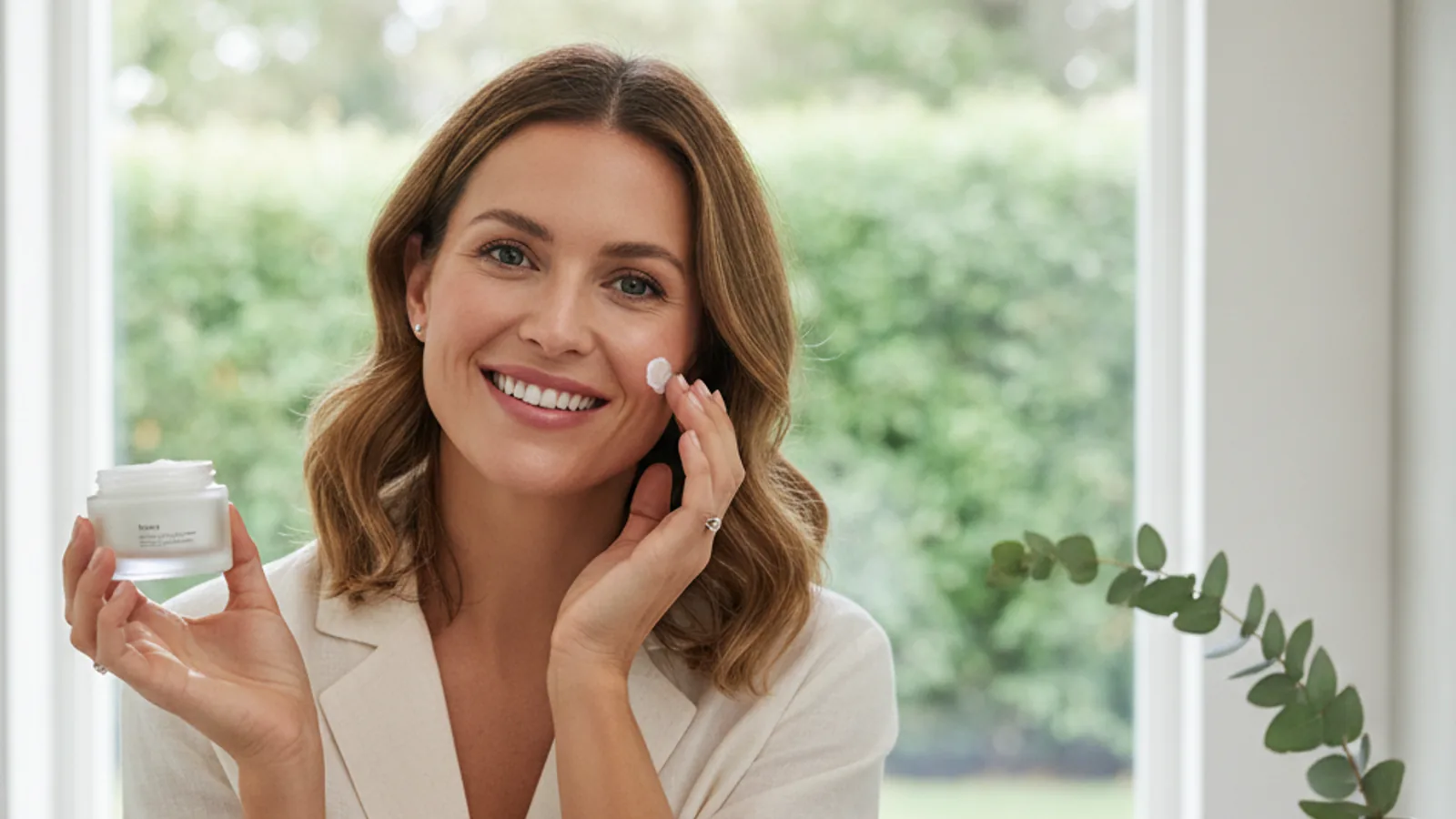
How To Even Skin Tone
A practical step-by-step guide to how to even skin tone, including preparation, instructions, common issues, tips, and next steps.

How To Even Skin Tone
Uneven skin tone, with its patches of discolouration, dark spots, or general dullness, can make your complexion look tired or less radiant. This comprehensive guide will show you how to improve your skin's clarity and achieve a more uniform look through a well-structured daily routine. You'll learn how to protect your skin, introduce key ingredients, and maintain results, helping you feel more confident in your skin.
Fast Answer
- Key Routine: Consistent Daily Skincare
- Main Focus: Sun Protection & Gentle Exfoliation
Before You Start
- Gentle Cleanser: Choose one that cleans without stripping your skin.
- Hydrating Moisturiser: Essential for all skin types to maintain a healthy barrier.
- Broad-Spectrum SPF 30+ (or higher): Non-negotiable for daily use to protect against UV damage.
- Chemical Exfoliant: Look for products with AHAs (Alpha Hydroxy Acids) or BHAs (Beta Hydroxy Acids).
- Brightening Serum: Consider Vitamin C or Niacinamide serums.
Step-by-Step Instructions
1. Cleanse Your Skin Gently, Twice Daily
A clean face is the foundation of any effective skincare routine. Use a gentle cleanser that suits your skin type to remove dirt, oil, and makeup without stripping your skin of its natural moisture. Over-washing or using harsh cleansers can disrupt your skin's protective barrier, leading to irritation, dryness, and even worsening uneven tone. Aim to cleanse once in the morning to refresh your skin and again in the evening to remove the day's build-up.
To cleanse, dampen your face with lukewarm water, apply a small amount of cleanser, and gently massage it in circular motions for about 30-60 seconds. Rinse thoroughly with lukewarm water and pat your face dry with a clean, soft towel. Avoid rubbing your skin harshly.
2. Protect Your Skin with Broad-Spectrum SPF Every Single Day
This is arguably the most crucial step for achieving and maintaining an even skin tone. Sun exposure is the leading cause of dark spots, hyperpigmentation, and premature ageing, which all contribute to an uneven complexion. UVA and UVB rays can trigger melanin production, leading to new dark spots and making existing ones worse.
Apply a **broad-spectrum SPF 30 or higher** every morning, as the last step in your skincare routine. Broad-spectrum means it protects against both UVA (ageing) and UVB (burning) rays. Apply a generous amount – about a teaspoon for your face and neck – and ensure full coverage. Reapply every **two hours** if you're outdoors, sweating, or swimming. Don't skip SPF on cloudy days or when indoors near windows, as UV rays can still penetrate.
3. Hydrate with a Quality Moisturiser
Keeping your skin well-hydrated is essential for a healthy skin barrier and a radiant complexion. A strong skin barrier helps protect your skin from environmental damage and irritation, which can both lead to uneven tone. Hydrated skin also reflects light better, making your complexion appear smoother and more even.
Apply a moisturiser after cleansing and any serums, but before your SPF in the morning (if your SPF isn't moisturising). In the evening, apply it as the final step in your routine. Choose a moisturiser appropriate for your skin type – lighter formulas for oily skin, richer creams for dry skin. Look for ingredients like hyaluronic acid, ceramides, and glycerine, which draw and lock moisture into the skin.
4. Introduce Chemical Exfoliation (Carefully)
Exfoliation helps to shed dead skin cells from the surface, revealing fresher, brighter skin underneath. This process can significantly improve skin texture and reduce the appearance of discolouration. For evening skin tone, **chemical exfoliants** (AHAs like glycolic or lactic acid, and BHAs like salicylic acid) are generally more effective and gentler than harsh physical scrubs.
AHAs work on the skin's surface to loosen and shed dead cells, improving brightness and texture. BHAs penetrate deeper into pores, making them excellent for congested skin and post-breakout marks. Start by using a chemical exfoliant **2-3 times a week** in your evening routine after cleansing. Apply it before your serum and moisturiser. Pay attention to how your skin reacts; if you experience redness or irritation, reduce the frequency.
5. Incorporate Targeted Brightening Ingredients
Specific skincare ingredients can target hyperpigmentation and help brighten your overall complexion. Adding one or two of these into your routine can accelerate results:
- Vitamin C: A powerful antioxidant that brightens skin, reduces dark spots, and boosts collagen production. Use a Vitamin C serum in the morning after cleansing and before moisturiser/SPF.
- Niacinamide (Vitamin B3): Helps to reduce inflammation, minimise pore appearance, and inhibit the transfer of pigment, thus reducing dark spots. It's well-tolerated and can be used morning or evening.
- Alpha Arbutin or Kojic Acid: These ingredients are known for their melanin-inhibiting properties, making them effective for treating specific dark spots. Use as directed, often in a serum form.
Choose one or two active ingredients to start with to avoid overwhelming your skin. Introduce new products one at a time, allowing a few weeks between additions to monitor your skin's response.
6. Be Patient and Consistent with Your Routine
Achieving an even skin tone is a marathon, not a sprint. Dark spots and discolouration develop over time, and it takes time for your skin to respond to treatments. Expect to see initial changes after **4-8 weeks** of consistent use, with significant improvements potentially taking **3-6 months** or even longer, depending on the severity of the unevenness.
Consistency is key. Skipping steps, especially SPF, can undo progress. Stick to your chosen routine every day, morning and evening. Take "before" photos to track your progress, as gradual changes can be hard to notice day-to-day. If you don't see results after a few months, consider adjusting your active ingredients or consulting a skincare professional.
7. Prioritise a Healthy Lifestyle
Your overall health greatly impacts your skin's appearance. A healthy lifestyle can support your skincare efforts and contribute to a more even and radiant complexion from the inside out. This isn't just about topical treatments; it's about nourishing your body.
- Diet: Eat a balanced diet rich in antioxidants (from fruits, vegetables, nuts) to combat free radical damage, which can contribute to uneven tone.
- Hydration: Drink plenty of water throughout the day to keep your skin cells plump and functioning optimally.
- Sleep: Aim for **7-9 hours of quality sleep** per night. Your skin repairs and regenerates most effectively during sleep.
- Stress Management: Chronic stress can trigger inflammation and hormonal imbalances, potentially leading to breakouts and uneven skin tone. Find healthy ways to manage stress, such as exercise, meditation, or hobbies.
8. Avoid Picking or Squeezing Your Skin
It's tempting to pick at blemishes, blackheads, or dry patches, but this is one of the quickest ways to create new areas of uneven skin tone. Picking causes inflammation and can lead to post-inflammatory hyperpigmentation (PIH), which are dark spots that linger long after a breakout has healed. It can also cause scarring, making your skin texture uneven.
Instead of picking, treat breakouts with targeted spot treatments containing ingredients like salicylic acid or benzoyl peroxide to reduce inflammation. If you have a stubborn blemish, resist the urge to touch it and allow your skincare routine to work its magic. If you struggle with persistent picking, consult a dermatologist for advice on managing skin conditions and preventing further damage.
Quick Reference
| Situation | Use this | Why |
|---|---|---|
| Dark Spots/Hyperpigmentation | Vitamin C & SPF | Inhibits melanin production and protects from new sun damage. |
| Dullness/Rough Texture | AHA Exfoliant | Gently removes dead skin cells to reveal brighter, smoother skin. |
| Redness/Inflammation | Niacinamide & Gentle Cleanser | Soothes skin, strengthens the skin barrier, and reduces irritation. |
| Post-Breakout Marks | BHA Exfoliant & SPF | Unclogs pores, reduces inflammation, and prevents marks from darkening. |
| Sensitive Skin | Lower concentration actives, patch test | Minimises irritation while still allowing for gradual improvement. |
Common Problems When You Even Skin Tone
Even with the best intentions, you might encounter some bumps on your journey to an even skin tone. Here are some common issues and how to address them:
Problem: No Visible Changes After a Few Weeks
Fix: Skincare takes time. Many active ingredients need at least **4-8 weeks** of consistent use to show noticeable results, and severe pigmentation can take months. Re-evaluate your consistency, ensure your SPF application is diligent, and check if your active ingredients are potent enough for your concerns. Sometimes, a lack of progress means you need to gently increase the frequency or concentration of an exfoliant or brightening serum.
Problem: Skin Irritation, Redness, or Peeling
Fix: This is a clear sign you might be **over-exfoliating** or using too many active ingredients at once, or that the concentration is too high for your skin. Scale back immediately. Reduce the frequency of exfoliants or strong serums (e.g., from every night to 2-3 times a week). Focus on restoring your skin barrier with gentle cleansing and a rich, hydrating moisturiser. Introduce products one by one, allowing your skin to adjust. Always patch test before full face application.
Problem: New Dark Spots Appearing
Fix: The most common reason for new dark spots or worsening existing ones is **inadequate sun protection**. Even a short amount of unprotected sun exposure can trigger melanin production. Reassess your SPF habits: Are you using enough? Is it broad-spectrum? Are you reapplying every two hours when outdoors? Also, consider if you've been picking at your skin, as this can also create new post-inflammatory hyperpigmentation.
Problem: Dryness or Tightness
Fix: This often indicates a compromised skin barrier, either from excessive use of active ingredients or simply not enough hydration. Ensure your cleanser isn't too harsh. Increase your moisturiser application and consider adding a hydrating serum (like one with hyaluronic acid) into your routine. Temporarily reduce or pause strong active ingredients until your skin feels comfortable and hydrated again.
Problem: Breakouts Worsening
Fix: Some products, like retinoids or strong exfoliants, can cause an initial "purging" period where breakouts temporarily worsen before improving. This usually lasts a few weeks. However, if breakouts persist or worsen significantly, the product might not be suitable for your skin, or your skin barrier could be irritated, leading to more sensitivity and breakouts. Consult a professional if the issue continues.
Advanced Tips for How To Even Skin Tone
Once you have a solid basic routine in place and your skin is responding well, you might consider incorporating more advanced strategies to further refine your skin tone:
- Consider an Overnight Retinoid Treatment: Retinoids (like retinol, retinaldehyde, or prescription tretinoin) are powerful ingredients that accelerate cell turnover, reduce hyperpigmentation, and improve overall skin texture. They should be introduced slowly (once or twice a week) in the evening, after cleansing and before moisturising, always with strict daily SPF application. Start with lower concentrations and build up tolerance.
- Explore Targeted Spot Treatments: For particularly stubborn dark spots, you might explore specific spot treatments. Ingredients like alpha arbutin, azelaic acid, or even short-term use of hydroquinone (often prescription-only in the UK) can be very effective. Always consult with a dermatologist before using stronger ingredients, especially hydroquinone.
- "Skin Cycling" for Optimal Product Use: This involves rotating your active ingredients over a few nights to maximise their benefits while giving your skin time to recover. A common cycle might be: Night 1 (Exfoliation), Night 2 (Retinoid), Night 3 & 4 (Recovery – just cleanse and moisturise). Then repeat. This can prevent irritation and enhance results.
- Boost with Antioxidant Serums: While Vitamin C is a star, other antioxidants like Ferulic Acid, Vitamin E, or CoQ10 can offer additional protection against environmental damage that contributes to uneven skin tone. Layering different antioxidants can provide a broader defence.
- Professional Treatments for Stubborn Issues: If at-home methods aren't yielding the desired results, professional treatments like chemical peels, microdermabrasion, laser therapy, or microneedling can address more persistent pigmentation, sun damage, and textural irregularities. Always consult a qualified dermatologist or aesthetician to determine the best option for your skin type and concerns.
How To Even Skin Tone FAQ
Q: How long does it typically take to even out skin tone?
A: Generally, you can expect to see initial improvements in **4-8 weeks** with consistent use of a dedicated routine. More significant changes, especially for deeper pigmentation or long-standing sun damage, can take **3-6 months** or even longer. Patience and consistency are paramount.
Q: Can uneven skin tone be a sign of poor health?
A: Not usually. Uneven skin tone is most commonly caused by sun exposure, post-acne marks, hormonal changes (like melasma), or inflammation. However, sudden or widespread changes in skin pigmentation should always be checked by a doctor to rule out underlying medical conditions.
Q: Is makeup a good solution for uneven skin tone?
A: Makeup can provide immediate cosmetic coverage and help you feel more confident in the short term. However, it doesn't treat the underlying issue of uneven skin tone. A good skincare routine works to improve your skin's health and appearance over time, reducing the need for heavy makeup.
Q: What is the most important product for evening skin tone?
A: Without a doubt, **broad-spectrum SPF 30+ (or higher)** is the most important. It prevents new discolouration from forming and stops existing dark spots from worsening due to sun exposure. Without consistent SPF, other brightening ingredients will have limited effect.
Q: Are there any ingredients I should avoid when trying to even skin tone?
A: Yes. Avoid harsh physical scrubs with large, irregular particles as they can cause micro-tears and irritation, potentially worsening uneven tone. Also, be wary of products with high alcohol content or strong artificial fragrances, as these can be drying and irritating, disrupting your skin's barrier and leading to further issues.
Final Checklist for How To Even Skin Tone
Before you wrap up, use this checklist to ensure you're setting yourself up for success in achieving a more even and radiant complexion:
- Consistent daily routine established? (Gentle cleanser, hydrating moisturiser, targeted serums, SPF).
- Broad-spectrum SPF 30+ applied generously every morning and reapplied when outdoors?
- Gentle chemical exfoliant introduced 2-3 times a week (if tolerated)?
- Targeted brightening serums (Vitamin C, Niacinamide) incorporated into your routine?
- All new products patch tested to prevent irritation or allergic reactions?
- Patience and consistency maintained for at least 8-12 weeks to see initial results?
- Picking at skin, breakouts, or blemishes strictly avoided?
- Healthy lifestyle habits (balanced diet, sufficient hydration, quality sleep, stress management) supported?
- Skin regularly checked for signs of irritation, and routine adjusted as needed?
- Consideration given to professional advice for stubborn or persistent issues?
By following these steps and staying dedicated, you'll be well on your way to a smoother, more even, and glowing complexion.