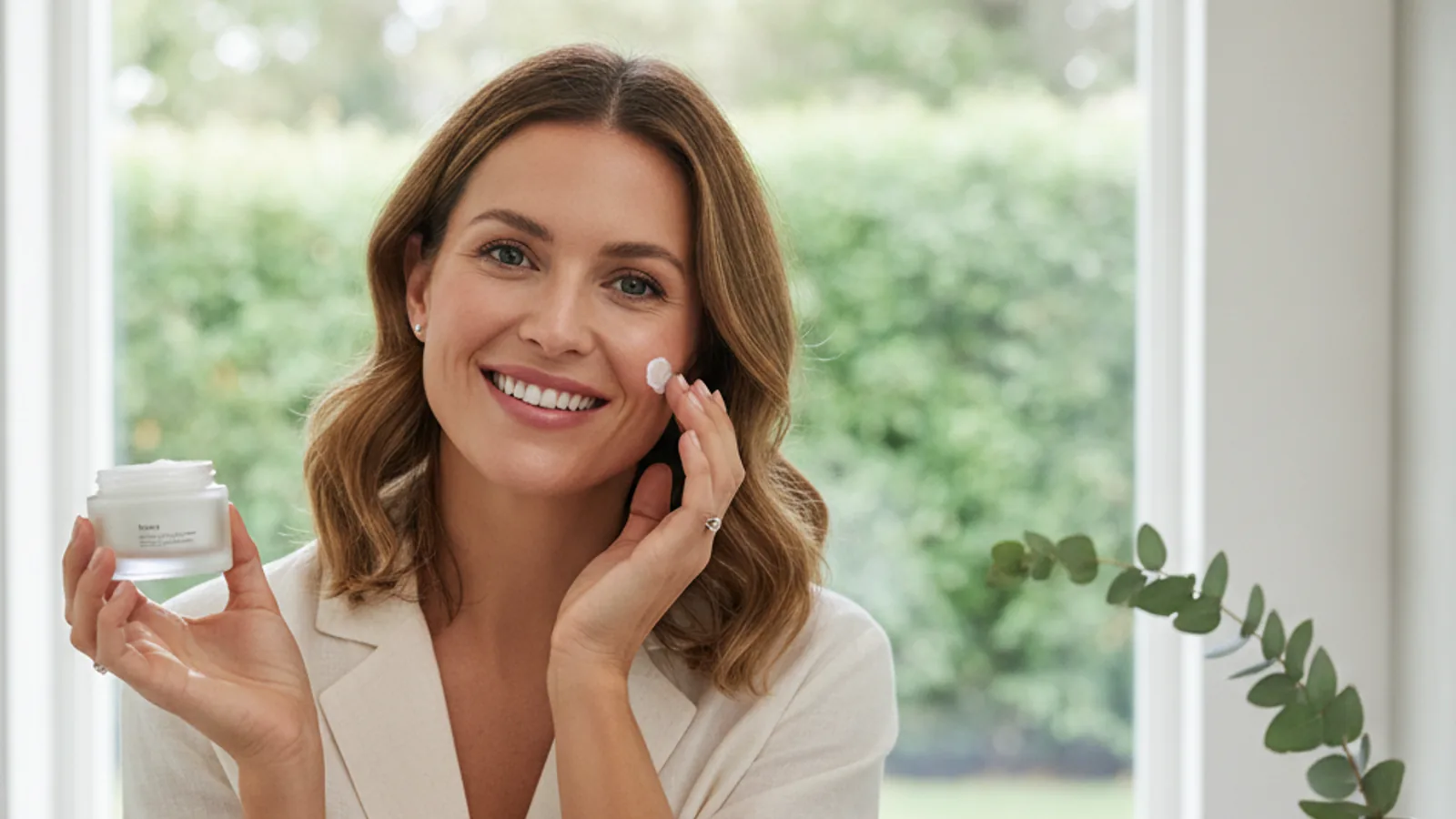
How To Reduce Pores On Face
A practical step-by-step guide to how to reduce pores on face, including preparation, instructions, common issues, tips, and next steps.

How To Reduce Pores On Face
While you can't truly shrink the size of your pores, you absolutely can make them appear smaller, clearer, and less noticeable. This comprehensive guide will walk you through an effective routine of cleansing, exfoliating, hydrating, and protecting your skin. By consistently following these steps, you'll learn how to prevent clogged pores, reduce excess oil, and improve your skin's overall texture and elasticity, helping anyone seeking a smoother, more refined complexion.
Fast Answer
- Key Action: Adopt a consistent, gentle skincare routine.
- Core Focus: Thorough cleansing, regular exfoliation, deep hydration, and daily sun protection.
- Goal: Minimise the appearance of pores by keeping them clear, healthy, and supported.
Before You Start
- A gentle facial cleanser that suits your skin type (e.g., gel for oily, cream for dry).
- An effective exfoliant, such as a chemical exfoliant (with AHAs or BHAs) or a very gentle physical scrub.
- A lightweight, non-comedogenic moisturiser to keep skin balanced.
- A broad-spectrum sunscreen with an SPF of at least 30.
- Clean, soft towels and any preferred applicators (e.g., cotton pads).
- A basic understanding of your skin type will help in choosing the right products.
Step-by-Step Instructions
1. Cleanse Your Skin Thoroughly, Twice Daily
Start and end your day with a clean canvas. Use a gentle cleanser, preferably one that is soap-free and non-drying. In the morning, cleansing removes any overnight build-up, and in the evening, it's crucial for washing away makeup, dirt, pollutants, and excess oil accumulated throughout the day. These impurities can easily settle into your pores, stretching them and making them appear larger.
To cleanse effectively, wet your face with lukewarm water, apply a small amount of cleanser, and gently massage it into your skin in circular motions for about 60 seconds. Avoid hot water, as it can strip your skin of its natural oils, leading to dryness and potential irritation. Rinse thoroughly until no residue remains, then gently pat your face dry with a clean, soft towel.
2. Incorporate Regular, Gentle Exfoliation
Exfoliation is key to preventing pore congestion. Dead skin cells and excess sebum can accumulate, creating plugs that make pores more noticeable. By regularly removing this build-up, you encourage cell turnover and keep your pores clear. There are two main types of exfoliants:
- Chemical Exfoliants: These are often preferred for pore concerns. Alpha Hydroxy Acids (AHAs) like glycolic or lactic acid work on the skin's surface to loosen dead cells, while Beta Hydroxy Acids (BHAs) like salicylic acid are oil-soluble, allowing them to penetrate deeper into the pores to dissolve sebum and debris.
- Physical Exfoliants: If you choose a physical scrub, ensure it has very fine, even particles (like jojoba beads, not harsh nutshells) and use it gently. Harsh scrubs can cause micro-tears and irritation.
Apply your chosen exfoliant after cleansing. For chemical exfoliants, you might use a toning solution or serum; for scrubs, gently massage onto damp skin. Rinse thoroughly. Start by exfoliating 2-3 times a week, adjusting frequency based on your skin's tolerance. Over-exfoliating can lead to irritation, redness, and compromise your skin's natural barrier.
3. Hydrate with a Suitable Moisturiser
It might seem counter-intuitive to moisturise if you have oily skin or large pores, but adequate hydration is vital. When skin is dehydrated, it can produce more oil to compensate, which in turn can lead to more clogged and visible pores. A well-hydrated skin barrier also functions better and appears plumper, which can make pores look less pronounced.
Choose a lightweight, non-comedogenic moisturiser – meaning it won't clog pores. Gel-based or oil-free formulations are often ideal for oily or combination skin types. Apply a small amount to your face and neck after cleansing and exfoliating (and after any serums). Gently pat and press it into your skin until absorbed. This step helps to seal in moisture, support the skin barrier, and keep your complexion smooth and balanced.
4. Protect Your Skin from Sun Damage Daily
Sun exposure is a major culprit for enlarged pores. UV radiation breaks down collagen and elastin, the proteins that give your skin its structure and firmness. As these proteins degrade, your skin loses its elasticity, causing pores to stretch and sag, making them appear more prominent.
Applying a broad-spectrum sunscreen with an SPF of at least 30 every single day, come rain or shine, is non-negotiable. It protects against both UVA (ageing) and UVB (burning) rays. Choose a formula that is non-comedogenic and feels comfortable on your skin, whether it's a dedicated sunscreen or incorporated into your daily moisturiser or makeup.
Apply generously as the last step in your morning skincare routine, before any makeup. Reapply every two hours if you're outdoors or swimming, or more frequently if sweating heavily.
5. Consider Clay Masks for Oil Control
For those with oily or combination skin, incorporating a clay mask into your weekly routine can be highly beneficial. Clay masks are excellent at absorbing excess sebum, drawing out impurities, and detoxifying the skin, all of which contribute to clearer, less visible pores.
Ingredients like bentonite clay, kaolin clay, or charcoal are commonly found in these masks. After cleansing, apply a thin, even layer of the mask to your face, focusing on areas prone to oiliness and larger pores, such as the T-zone (forehead, nose, chin). Leave it on for the recommended time, typically 10-15 minutes, or until it feels firm but not completely dry and cracking. Rinse off thoroughly with lukewarm water.
Using a clay mask 1-2 times a week can help to regulate oil production and keep pores free from build-up, contributing to a smoother skin texture over time.
6. Stay Hydrated and Eat a Balanced Diet
What you put into your body has a direct impact on your skin's health and appearance. Staying adequately hydrated by drinking plenty of water throughout the day helps your skin maintain its elasticity and flush out toxins, contributing to a clearer complexion.
A diet rich in fruits, vegetables, lean proteins, and healthy fats provides essential vitamins, minerals, and antioxidants that support skin repair and reduce inflammation. Foods high in antioxidants (like berries, leafy greens) can help protect skin cells from damage. Conversely, a diet high in refined sugars and processed foods can sometimes trigger increased oil production and inflammation, potentially exacerbating pore visibility and breakouts.
7. Cleanse Your Face After Sweating
Sweat, combined with dirt, oil, and bacteria, creates a perfect storm for clogged pores. If you exercise, spend time in a humid environment, or find yourself sweating significantly, it's important to cleanse your face as soon as possible afterwards. Allowing sweat to sit on your skin can push impurities deeper into your pores, leading to congestion and breakouts.
A quick, gentle cleanse with your regular facial wash will suffice. If a full wash isn't immediately practical, carry some gentle, non-comedogenic facial cleansing wipes for a temporary refresh, but always follow up with a proper wash later. This simple habit helps maintain clear pores and prevents post-workout breakouts.
8. Be Gentle with Your Skin and Avoid Picking
Your skin is delicate, and treating it harshly can do more harm than good, especially when trying to improve pore appearance. Aggressive scrubbing, squeezing, or picking at blackheads, whiteheads, or pimples can lead to inflammation, infection, scarring, and even further stretching of the pore walls, making them look larger and more damaged.
Always use a light touch when applying products, cleansing, or drying your face. Resist the urge to pick or squeeze. If you have persistent blackheads or whiteheads that bother you, consider professional extractions by a qualified aesthetician or dermatologist, who can perform them safely without damaging your skin. Patience and consistency with a gentle routine are far more effective in the long run than aggressive tactics.
Quick Reference
| Situation | Use this | Why |
|---|---|---|
| Excess oil/shine | Clay mask (1-2x weekly) | Absorbs sebum, clears pores, mattifies skin. |
| Dullness/rough texture | Chemical exfoliant (2-3x weekly) | Removes dead skin cells, refines skin surface and pore appearance. |
| Dryness or flakiness | Hydrating serum/moisturiser | Replenishes moisture, supports skin barrier, prevents compensatory oil production. |
| Sun exposure | Broad-spectrum SPF30+ daily | Prevents collagen breakdown, maintains skin elasticity and firmness. |
| After heavy makeup | Double cleanse | Ensures all makeup, sunscreen, and impurities are thoroughly removed. |
Common Problems When You Aim to Reduce Pores
Even with the best intentions, you might encounter some common hurdles when trying to reduce the appearance of pores. Knowing what to look out for can help you adjust your routine and stay on track.
- Problem: Over-exfoliation and Irritation. Fix: This is one of the most common issues. If your skin feels tight, red, sensitive, or develops tiny bumps, you might be exfoliating too much or using products that are too strong. Reduce the frequency of exfoliation or switch to milder products. Give your skin a break to recover and focus on gentle cleansing and hydration.
- Problem: Dryness or Flakiness. Fix: Some pore-reducing ingredients, especially strong exfoliants or retinoids, can cause dryness. Ensure you are consistently using a good, non-comedogenic moisturiser. You might also need to incorporate a hydrating serum with ingredients like hyaluronic acid. If dryness persists, scale back on potentially drying active ingredients.
- Problem: No Immediate Results. Fix: Skincare is a marathon, not a sprint. Pore reduction takes time and consistent effort. Don't expect dramatic changes overnight. Stick to your routine for at least 4-6 weeks before assessing its effectiveness. Patience is truly key here.
- Problem: Breakouts or Clogging After Starting New Products. Fix: Sometimes, new products can cause an initial "purging" phase, especially if they increase cell turnover (like retinoids or some AHAs/BHAs). However, persistent breakouts or new whiteheads might indicate a product is not suitable for your skin type (e.g., it's comedogenic). Stop using the product if irritation or new breakouts continue beyond a few weeks, and consult with a professional.
- Problem: Neglecting Sunscreen. Fix: Skipping daily SPF undoes much of the good work you're doing. UV damage directly contributes to collagen breakdown, leading to larger-looking pores. Make sunscreen an absolute non-negotiable step in your morning routine, every single day, even when indoors or on cloudy days.
Advanced Tips for Minimising Pores
Once you've mastered the foundational steps, you might consider incorporating more advanced strategies to further refine your skin texture and minimise pore visibility. These options often involve more potent ingredients or professional interventions.
- Incorporate Retinoids (Vitamin A Derivatives): Retinoids, such as retinol or tretinoin (prescription-only), are powerful ingredients known for their ability to boost cell turnover, promote collagen production, and regulate oil. By doing so, they help to keep pores clear and can improve skin elasticity, making pores appear significantly smaller over time. Start with a low concentration and introduce them slowly into your evening routine, as they can cause initial dryness and sensitivity. Always use sunscreen diligently when using retinoids.
- Use Niacinamide (Vitamin B3): This versatile ingredient is a powerhouse for pore concerns. Niacinamide can help regulate sebum production, reduce inflammation, strengthen the skin barrier, and improve skin elasticity. Its benefits contribute directly to making pores appear less prominent. Look for serums or moisturisers containing 5-10% niacinamide, which is typically well-tolerated by most skin types.
- Consider Professional Treatments: For more stubborn or visible pores, professional treatments offered by dermatologists or licensed aestheticians can yield significant results. These may include:
- Chemical Peels: Controlled exfoliation using stronger acids to remove outer layers of skin, improving texture and pore appearance.
- Microdermabrasion: A physical exfoliation technique that removes dead skin cells and stimulates renewal.
- Laser Resurfacing: Targets deeper layers of the skin to stimulate collagen and improve overall texture and pore size.
- Microneedling: Creates tiny punctures in the skin to stimulate collagen and elastin production, which can tighten skin and reduce pore visibility.
- Evaluate Your Diet for Inflammatory Foods: Beyond general healthy eating, some individuals find that certain foods (e.g., high-glycaemic foods, dairy) can trigger inflammation or hormone fluctuations that impact skin oiliness and breakouts. While not universal, paying attention to how your body reacts to specific foods might offer additional insights into managing your skin and pore appearance.
How To Reduce Pores On Face FAQ
Can pores actually shrink?
No, the actual size of your pores is largely determined by genetics and cannot be physically shrunk. Pores are openings for hair follicles and oil glands. However, you can make them *appear* smaller by keeping them clean, preventing clogs, controlling oil production, and improving overall skin health and elasticity. Our goal is to minimise their visibility, not eliminate them.
How long does it take to see results?
Consistency is paramount in skincare. You might start to notice improvements in skin texture and clarity within 4-6 weeks of adopting a new routine. However, significant changes in the appearance of pores, particularly those related to increased collagen and elasticity, can take 2-3 months or longer. Be patient and consistent.
Are pore strips effective?
Pore strips can temporarily remove blackheads and surface impurities, making pores *look* cleaner and less clogged immediately after use. However, they don't address the underlying cause of pore visibility or prevent future clogging. They can also be quite harsh, potentially causing irritation or even broken capillaries if used too frequently or improperly, especially on sensitive skin. They are not a long-term solution for pore reduction.
Should I use an astringent or toner?
Traditional alcohol-based astringents can be very drying and irritating to the skin. While they might provide a temporary tightening sensation, stripping the skin's natural oils can lead to compensatory oil production, potentially making pores appear worse in the long run. Instead, opt for a gentle, hydrating toner with beneficial ingredients like niacinamide, antioxidants, or mild exfoliating acids (if appropriate for your routine). Always choose alcohol-free formulas.
Can makeup clog my pores?
Yes, certain types of makeup, especially heavy, oil-based, or fragranced formulas, can contribute to clogged pores if they are not non-comedogenic or if not removed properly. Always choose makeup labelled "non-comedogenic" or "oil-free," and ensure you thoroughly cleanse your face every evening to remove all traces of makeup, dirt, and impurities.
Final Checklist for How To Reduce Pores On Face
- Cleanse your skin twice daily with a gentle, non-stripping cleanser.
- Exfoliate your skin 2-3 times a week using a chemical exfoliant (AHA/BHA) or a very gentle physical scrub.
- Moisturise daily with a lightweight, non-comedogenic product to maintain skin hydration.
- Apply broad-spectrum SPF30+ sunscreen daily, every single day, rain or shine, to protect against collagen breakdown.
- Consider using a clay mask 1-2 times a week to absorb excess oil and purify pores.
- Stay well-hydrated by drinking plenty of water and maintain a balanced, skin-friendly diet.
- Cleanse your face promptly after sweating or vigorous activity.
- Be gentle with your skin; avoid harsh scrubbing, picking, or squeezing.
- Consider incorporating targeted ingredients like niacinamide or retinoids into your routine.
- Consult a dermatologist or qualified aesthetician for persistent concerns or to explore professional treatment options.