How Long Does Sunscreen Last
A practical step-by-step guide to how long does sunscreen last, including preparation, instructions, common issues, tips, and next steps.
How Long Does Sunscreen Last
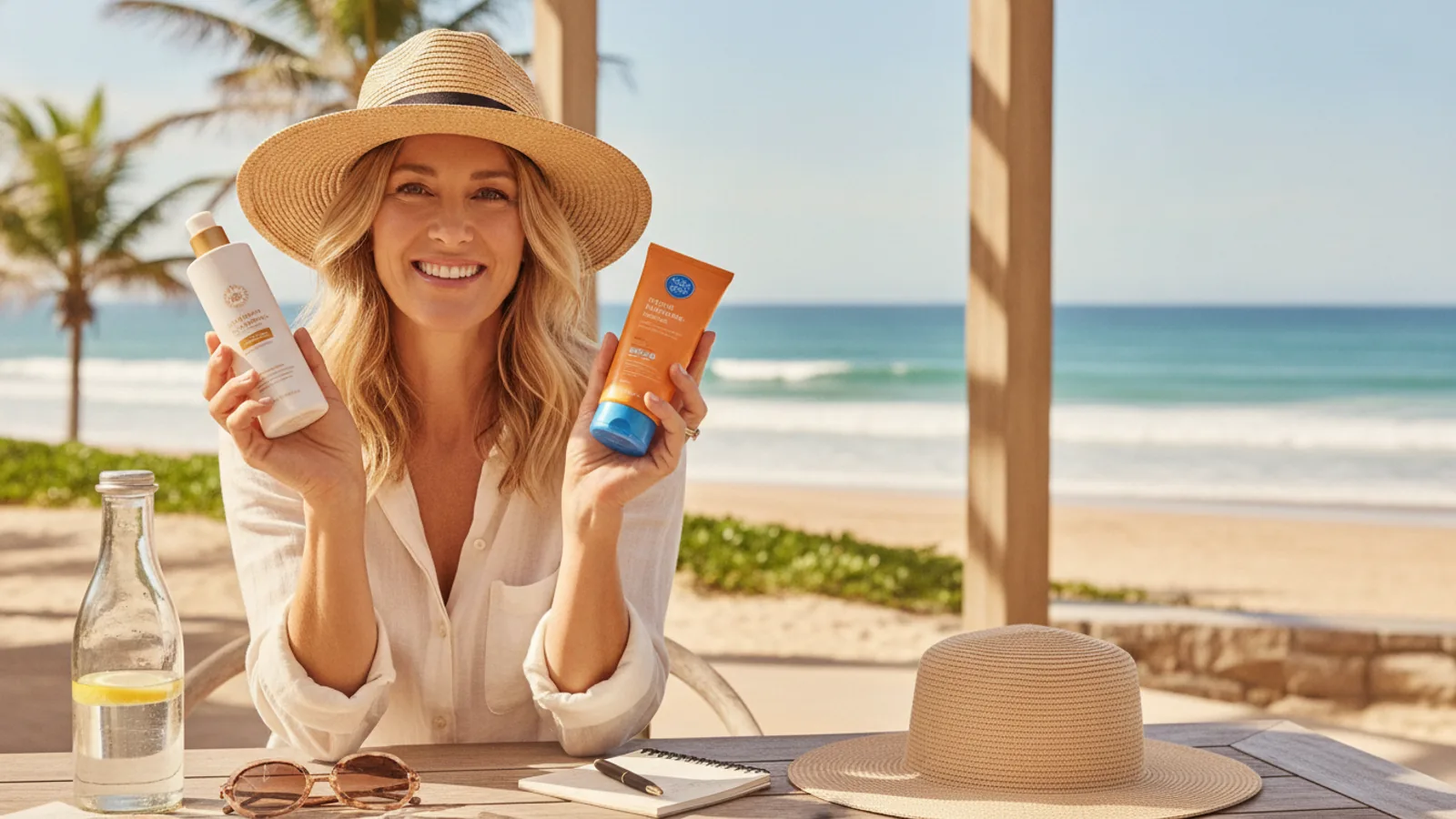
Understanding how long your sunscreen lasts is fundamental to effective sun protection, yet it's a topic filled with confusion. This guide demystifies sunscreen longevity, explaining everything from the expiry date on the bottle to precisely when you need to reapply it on your skin. We will explore how factors like storage, sweat, and water impact its effectiveness, ensuring you have the confidence and knowledge to stay properly protected from harmful UV rays. Think of this as your complete routine for managing your most important skincare step.
Fast Answer
- On your skin: Reapply at least every 2 hours
- Opened bottle: Check the Period After Opening (PAO) symbol, typically 6-12 months
- Unopened bottle: Up to 3 years from the manufacture date, or check the printed expiry date
Before You Start
Before diving into the specifics, let's get organised. Knowing how long sunscreen lasts involves two key areas: the product's shelf life in its container and its effective lifespan once applied to your skin. To assess this properly, you’ll need to check a few things first.
- Your current sunscreen bottle: Have any tubes, sprays, or lotions you are currently using on hand for inspection.
- A permanent marker: A simple but essential tool for tracking when you open a new product.
- Understanding of your daily routine: Consider your typical exposure to sun, water, and activities that cause sweating.
Step-by-Step Instructions
Follow these steps to ensure you're getting the full protective benefit from your sunscreen, from the moment you buy it to the moment you reapply it throughout the day.
Step 1: Locate the Expiry Date
The first check is the most straightforward. In Australia, sunscreens are regulated as therapeutic goods, which means they must have an expiry date printed on the packaging. Look for it on the crimped top edge of a tube or on the bottom of a bottle or can. This date indicates how long the product will remain effective and stable when stored correctly and left unopened. If your sunscreen is past this date, its active ingredients may have degraded, offering you significantly less protection than the SPF number on the label suggests. It must be discarded.
Step 2: Find the Period After Opening (PAO) Symbol
Once a sunscreen is opened, its clock starts ticking due to exposure to air and potential contaminants. This is where the Period After Opening (PAO) symbol comes in. Look for a small graphic of an open jar with a number followed by an "M" (e.g., "6M" or "12M"). This signifies the number of months the product is safe and effective to use after you've broken the seal. For sunscreen, this is often between 6 to 12 months. This PAO is your primary guide for any opened product, regardless of the main expiry date.
Step 3: Mark the Opening Date on the Bottle
To make the PAO symbol useful, you need to remember when you opened the product. The most reliable method is to create a new habit: as soon as you open a new bottle of sunscreen, take a permanent marker and write the date (month and year) directly on the tube or bottle. This eliminates all guesswork months later. Place the date near the PAO symbol as a visual reminder. This simple, two-second action ensures you never accidentally use a product that has been open for too long.
Step 4: Visually Inspect the Formula Before Each Use
Beyond dates, your senses are a critical tool. Sunscreen formulas can break down if stored improperly, such as in a hot car or in direct sunlight on the beach. Before applying, squeeze a small amount onto your hand and check for any changes. Warning signs include:
- A change in colour: Has it yellowed or developed a strange tint?
- A change in texture: Is it overly runny, watery, gritty, or has it separated into layers?
- A change in smell: Does it have a strange or "off" odour that wasn't there when you first opened it?
If you notice any of these signs, the sunscreen has likely gone bad. Do not use it; dispose of it and open a new one.
Step 5: Understand the Two-Hour Reapplication Rule
Now, let's shift focus to how long sunscreen lasts on your skin. The universal rule, recommended by dermatologists and cancer councils, is to reapply sunscreen at least every two hours. This isn't because the ingredients stop working after 120 minutes, but because the protective film it forms on your skin is easily compromised. Actions like touching your face, your clothes rubbing against your skin, and natural skin oils can break down and thin out the sunscreen layer, reducing its effectiveness over time.
Step 6: Reapply More Frequently During Certain Activities
The two-hour rule is a baseline for incidental sun exposure, like walking to the office or sitting near a window. You need to be more vigilant if you are outdoors for extended periods or engaging in certain activities. You must reapply your sunscreen immediately after:
- Swimming or being in the water
- Sweating heavily (e.g., during exercise or on a hot day)
- Towel drying
Even products labelled "water-resistant" are not waterproof. The label will specify its effectiveness for either 40 or 80 minutes of water exposure. After that time in the water, or as soon as you towel off, you need to reapply.
Step 7: Apply the Correct Amount for Full Protection
The effectiveness and duration of your sunscreen are directly linked to applying a sufficient amount. Most people under-apply, which means they are not getting the SPF protection stated on the bottle. The clinical standard is 2mg of product per square centimetre of skin. For practical purposes, this translates to:
- For the face and neck: A generous teaspoon amount.
- For the full body: Approximately 30-35ml, which is about the amount that would fill a standard shot glass.
Applying a thin layer will not provide lasting or adequate protection. Ensure you apply a visible layer and rub it in thoroughly 20 minutes before you go into the sun to allow it to bind to your skin.
Quick Reference
| Situation | Check This First | Key Action |
|---|---|---|
| New, unopened bottle | Printed expiry date | Safe to use until this date if stored correctly. |
| Newly opened bottle | PAO symbol (e.g., 12M) | Use a permanent marker to write today's date on the bottle. |
| Bottle you've had for a while | Your written opening date and the PAO | Discard if the opening date is past the PAO window (e.g., opened over 12 months ago for a 12M PAO). |
| A day at the office | Time of last application | Reapply every two hours if you sit near a sunny window or go out for lunch. |
| A day at the beach | Water exposure and time | Reapply every two hours, AND immediately after swimming or towel drying. |
| Outdoor exercise | Sweat level | Reapply after your workout or every two hours, whichever comes first. |
Common Problems When You Assess Sunscreen Longevity
Even with the best intentions, it's easy to run into issues. Here are some common problems and how to solve them.
- Problem: You got sunburnt despite using sunscreen.
This is the most common complaint. The cause is almost always one of four things: the sunscreen was expired, you didn't apply enough, you didn't reapply after sweating or swimming, or you missed spots. Re-evaluate your application technique, ensuring you use a shot-glass amount for your body and reapply diligently. - Problem: The sunscreen has separated or looks watery.
The fix is simple: throw it away. This indicates the emulsion has broken, and the active ingredients are no longer evenly distributed. It will not provide reliable protection and could cause skin irritation. - Problem: You can't find an expiry date or PAO symbol.
While mandatory in Australia, packaging can sometimes get damaged or be hard to read. If you cannot find any date and have no idea when you bought or opened it, the safest course of action is to replace it. It is never worth risking sun damage. - Problem: You hate the feeling of reapplying sunscreen over sweaty or sandy skin.
This is a major barrier to proper reapplication. Plan ahead. Keep a pack of gentle skin wipes in your beach bag to quickly clean your skin before reapplying. Alternatively, look for sunscreen formulas designed for wet skin application or stick and spray formulas which can be less messy to reapply.
Advanced Tips for Sunscreen Efficacy
Go beyond the basics with these expert tips to maximise your sun protection strategy.
- Store It Properly: Heat is the enemy of sunscreen. Active ingredients degrade quickly when exposed to high temperatures. Avoid leaving your sunscreen in the glove box of your car or in direct sunlight. At the beach or park, wrap it in a towel or keep it in a cooler bag.
- Don't Rely on the SPF in Makeup: While an SPF-rated foundation or tinted moisturiser is a great bonus, it is not a substitute for dedicated sunscreen. You would need to apply a very thick, cakey layer of makeup to achieve the stated SPF, which most people don't. Always apply a proper layer of sunscreen first as your primary protective base.
- Check the Daily UV Index: Make checking the UV index part of your daily routine, just like checking the weather. Sun protection is recommended whenever the UV index is 3 or higher. This can happen even on cool or cloudy days, so don't let the temperature fool you.
- Sunscreen is Your Last Line of Defence: The most effective sun protection is a multi-layered approach. Sunscreen is crucial, but it should be combined with other measures. Seek shade during peak UV hours (typically 10 am to 3 pm), wear a broad-brimmed hat, put on UV-protective sunglasses, and cover up with long-sleeved clothing.
How Long Does Sunscreen Last FAQ
Does a higher SPF like SPF50+ last longer on the skin than SPF30?
Can I use last year's sunscreen if it's not expired?
Is spray sunscreen less effective or durable?
Does mineral sunscreen last longer than chemical sunscreen?
Final Checklist for Sunscreen Longevity
Use this final checklist to ensure your sunscreen routine is polished and protective every single day.
- Check Expiry Date: Is your sunscreen within its printed expiry date?
- Check PAO Symbol: Do you know when you opened it, and is it within the Period After Opening timeframe?
- Mark New Bottles: Have you written the opening date on your new sunscreen with a permanent marker?
- Inspect Before Use: Has the texture, colour, or smell changed at all?
- Apply Generously: Are you using the "teaspoon for face" and "shot glass for body" rule?
- Reapply Diligently: Are you reapplying every two hours, and immediately after swimming, sweating, or towel drying?
- Store Correctly: Is your sunscreen kept in a cool, dark place away from direct heat and sunlight?
- Layer Your Protection: Are you pairing sunscreen with a hat, sunglasses, and protective clothing?